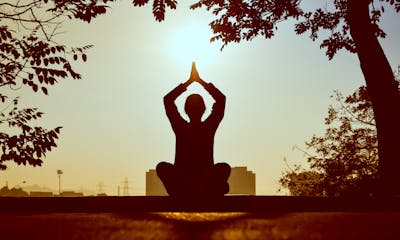
Yoga Philosophy: Finding Balance in Daily Life
Beyond the physical practice - exploring the deeper teachings of yoga and how they apply to modern living. Yoga is much more than just physical postures; it's a comprehensive system for living a balanced, meaningful life.
The Eight Limbs of Yoga
Yoga, as described in Patanjali's Yoga Sutras, consists of eight interconnected limbs that guide practitioners toward enlightenment and inner peace. Understanding these limbs can transform your practice and your life.
1. Yamas (Ethical Guidelines)
The first limb consists of five ethical principles that guide our interactions with others:
- Ahimsa (Non-violence): Practicing compassion toward all living beings
- Satya (Truthfulness): Being honest in thought, word, and action
- Asteya (Non-stealing): Not taking what doesn't belong to you
- Brahmacharya (Moderation): Using energy wisely and avoiding excess
- Aparigraha (Non-possessiveness): Letting go of attachment to material things
2. Niyamas (Personal Observances)
These five principles guide our relationship with ourselves:
- Saucha (Purity): Maintaining cleanliness of body, mind, and environment
- Santosha (Contentment): Finding peace with what you have
- Tapas (Discipline): Cultivating inner fire through consistent practice
- Svadhyaya (Self-study): Reflecting on your thoughts and actions
- Ishvara Pranidhana (Surrender): Trusting in a higher power or purpose
3. Asana (Physical Postures)
The physical practice most people associate with yoga. Asanas prepare the body for meditation and help develop discipline and focus.
4. Pranayama (Breath Control)
Conscious breathing techniques that help regulate energy and calm the mind. Pranayama is a bridge between the physical and mental aspects of yoga.
5. Pratyahara (Withdrawal of Senses)
Learning to turn inward and detach from external distractions. This practice helps develop inner awareness and focus.
6. Dharana (Concentration)
Single-pointed focus, often on the breath or a specific object. This practice develops mental discipline and clarity.
7. Dhyana (Meditation)
Sustained concentration that leads to a state of flow. In meditation, the mind becomes calm and focused without effort.
8. Samadhi (Enlightenment)
The ultimate goal of yoga - a state of complete union with the divine or higher consciousness. This is the experience of pure awareness and bliss.
Applying Yoga Philosophy to Modern Life
These ancient teachings are remarkably relevant to contemporary challenges. Here's how to apply them in your daily life:
Managing Stress and Anxiety
Modern life is full of stressors, but yoga philosophy offers practical tools:
- Pranayama: Use breathing techniques to calm the nervous system
- Santosha: Practice gratitude and acceptance
- Dharana: Focus on one task at a time
- Ahimsa: Be kind to yourself during difficult times
Building Better Relationships
Yoga philosophy provides a framework for healthy relationships:
- Satya: Communicate honestly and authentically
- Ahimsa: Practice compassion in all interactions
- Asteya: Respect others' boundaries and possessions
- Aparigraha: Let go of expectations and attachments
Finding Purpose and Meaning
In a world full of distractions, yoga philosophy helps clarify what truly matters:
- Svadhyaya: Regular self-reflection and journaling
- Ishvara Pranidhana: Trusting in your path and purpose
- Tapas: Committing to practices that align with your values
- Dhyana: Regular meditation to connect with inner wisdom
Practical Daily Practices
Here are simple ways to incorporate yoga philosophy into your daily routine:
Morning Ritual
Start your day with intention:
- Set an intention for the day (Ishvara Pranidhana)
- Practice gratitude (Santosha)
- Do a few minutes of breathing exercises (Pranayama)
- Reflect on your values (Svadhyaya)
Throughout the Day
Stay mindful and present:
- Practice single-tasking (Dharana)
- Take mindful breaks (Pratyahara)
- Be kind to yourself and others (Ahimsa)
- Stay honest in your communications (Satya)
Evening Reflection
End your day with awareness:
- Reflect on your day (Svadhyaya)
- Practice gratitude (Santosha)
- Meditate or do gentle yoga (Dhyana)
- Let go of the day's stresses (Aparigraha)
Common Misconceptions
Many people have misconceptions about yoga philosophy:
"Yoga is Just Exercise"
While physical postures are important, they're just one aspect of a comprehensive system for living well.
"You Must Be Flexible to Practice Yoga"
Yoga is about awareness and presence, not physical flexibility. The philosophy can be practiced by anyone, regardless of physical ability.
"Yoga is a Religion"
Yoga philosophy is a spiritual practice that can complement any religious belief or be practiced independently.
Getting Started
You don't need to master all eight limbs at once. Start with small, consistent practices:
- Choose one yama or niyama to focus on
- Practice basic breathing exercises
- Start with short meditation sessions
- Reflect on your values and priorities
- Be patient and compassionate with yourself
Yoga philosophy offers timeless wisdom for navigating the complexities of modern life. By incorporating these teachings into your daily routine, you can cultivate greater peace, purpose, and fulfillment.

About Priya Fernando
Priya Fernando is a passionate writer and traveler who has been exploring Sri Lanka for over 3 years. They specialize in yoga content and love sharing their experiences with fellow adventurers.